
Potty training is a significant milestone in a child’s early development, often filled with anticipation for both parents and little ones. At International Montessori, we approach this process with the same gentle, child-centered philosophy that guides all aspects of our curriculum. Drawing from Maria Montessori’s principles, we emphasize respect for the child’s natural rhythm, independence, and learning through peer interaction. Our goal is to make potty training a peaceful, empowering experience rather than a stressful one. In this blog, we’ll explore how we implement potty training in our toddler community and share practical tips to support families at home.
Following the Child: When to Begin Potty Training
In our Montessori toddler classrooms, we typically introduce potty training around 2.5 years of age. This timing aligns with many children’s developmental readiness, as they begin to show greater awareness of their bodily functions and a desire for autonomy. However, we always “follow the child”—a core Montessori tenet. In our mixed-age environments, where toddlers interact with slightly older peers, it’s not uncommon for children to express interest in using the potty even before 2.5 years. Seeing classmates confidently navigate the bathroom can spark curiosity and motivation naturally. If your child is showing signs like staying dry for longer periods, communicating discomfort in a soiled diaper, or imitating others, we may start the process earlier. The key is observation and responsiveness, ensuring the child leads the way.
The Exciting Bathroom Tour: Learning from Peers
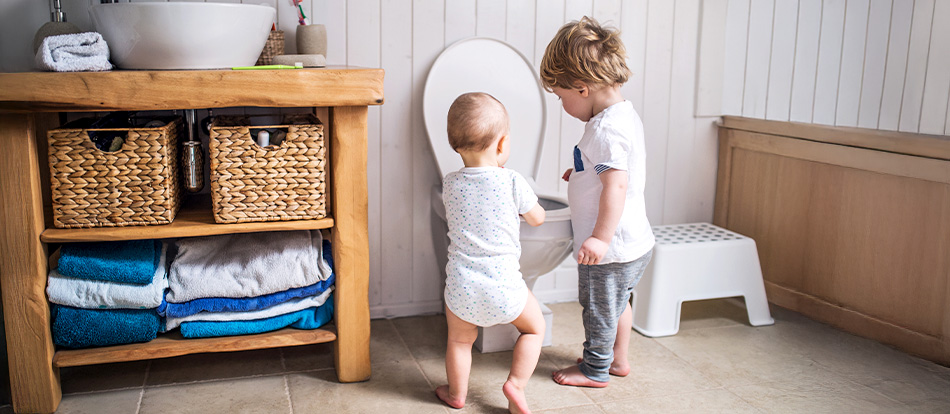
One of the most delightful aspects of Montessori potty training is how we harness the power of peer learning. Montessori believed that children learn best from other children, rather than direct adult instruction, as it fosters a sense of community and excitement. When a child is ready to begin, an older friend in the classroom gives them a “bathroom tour.” This isn’t a formal lesson but a joyful, child-led demonstration: showing how to enter the bathroom, use the child-sized toilet, flush, wash hands, and return to activities. The enthusiasm of the older peer turns what could be an intimidating experience into an adventure. Parents often tell us their children come home buzzing about their “big kid” tour, which helps build positive associations from the start.
Establishing a Gentle Routine
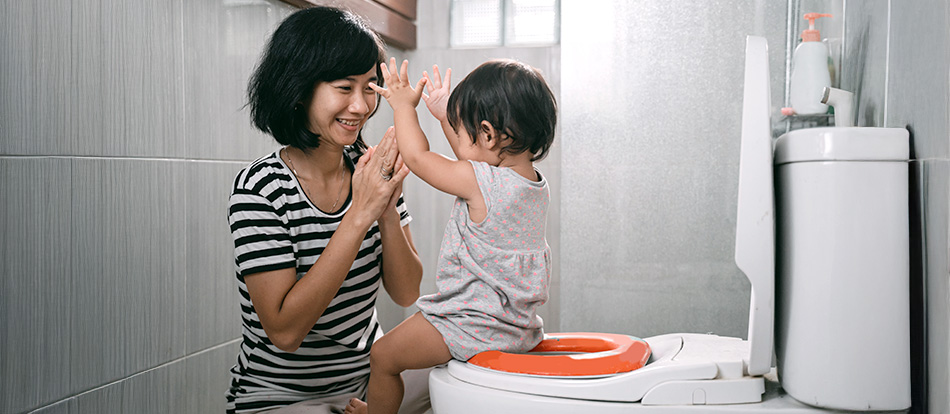
Consistency is crucial in potty training, but we keep it calm and pressure-free. Our guides take children who are potty training to the restroom every hour, creating a predictable rhythm that supports success without overwhelming them. If a child uses the potty successfully, we offer sincere, specific praise—like “You listened to your body and used the potty all by yourself!” This builds internal confidence and gratification, aligning with Montessori’s avoidance of external rewards like stickers or treats. We want children to feel proud of their own achievements, not dependent on incentives.
Accidents are viewed as natural learning opportunities, not setbacks. When one occurs, we involve the child in the cleanup process as much as they can handle—perhaps helping to remove wet clothes or wipe up with a cloth. This promotes responsibility and independence without shame. Our environments are prepared with accessible changing areas and spare clothes, ensuring the process remains dignified and supportive.
Encouraging Independence Through Practical Choices
Independence is at the heart of Montessori education, and potty training is no exception. We recommend clothing that empowers children to manage on their own, such as elastic waistband bottoms. These are easy for small hands to pull up and down, reducing frustration and building self-reliance. Avoid complicated fasteners like buttons or zippers during this phase, as they can hinder progress and lead to unnecessary stress.
Tips and Tricks for Parents: Partnering in the Process
At International Montessori, we see potty training as a collaboration between school and home. Here are some additional tips to help you support your child peacefully:
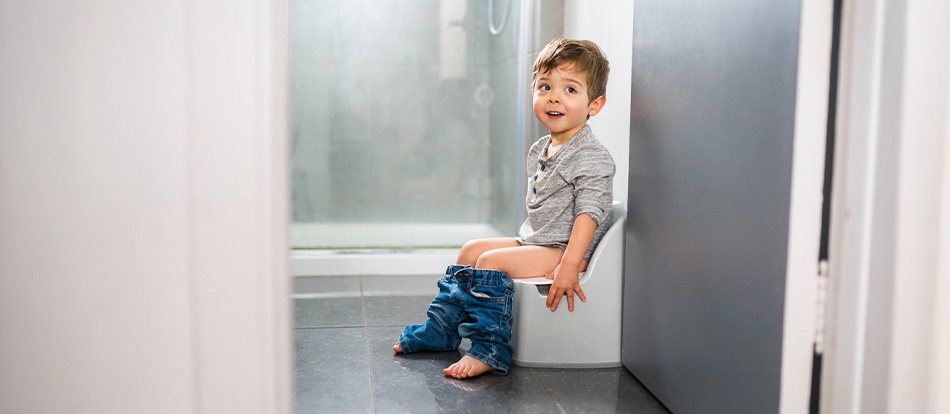
- Observe Readiness Signs at Home: Look for cues like your child hiding to poop, showing interest in the bathroom, or verbalizing needs. Signs like squatting, holding their diaper area, going quiet, or dancing often mean they need to go. Gently guide them to the potty when you notice these.
- Create a Home Bathroom Environment: Set up a child-friendly space with a step stool, potty seat, and easy-to-reach wipes or toilet paper. Involve your child in choosing these items to foster ownership.
- Maintain Consistency Across Settings: Use similar language and routines at home as we do at school—hourly reminders, positive praise, and involving them in changes. This reduces confusion and accelerates learning. Try not to switch back and forth between diapers and underwear during the day, as consistency helps children understand expectations.
- Be Patient and Positive: Potty training can take weeks or months, with regressions during growth spurts or changes like a new sibling. Treat accidents as part of learning. Respond with empathy: “It’s okay, we’ll try again next time.” Avoid punishment or pressure, as it can create resistance.
- Incorporate Montessori Materials: Use practical life activities like pouring water or dressing dolls to build fine motor skills needed for potty independence. Reading books about potty training together can also normalize the experience.
- Avoid relying on prizes or rewards as children lose interest in the potty once the reward is no longer motivating.
- Offer encouraging words when your child uses the restroom! Build internal pride for your little one! Learning a new skill is exciting, they should feel proud!
- Avoid pressure or comparisons: Every child learns at their own pace – pressure can slow progress!
- Communicate Openly: Share updates with your child’s classroom community, and don’t hesitate to ask for advice. We’re here to support you!

By embracing a peaceful, child-led approach, potty training becomes a steppingstone to greater independence and self-confidence. At International Montessori, we’re honored to guide your child through this journey, celebrating each small victory along the way. If you’re curious about enrolling or have questions, reach out—we’d love to connect!
For more insights into our Montessori programs, contact us or follow us on social media.