
Self-discipline in toddlers is not about control—it’s about developing internal regulation, independence, and confidence. At International Montessori, we approach discipline as a skill that is carefully nurtured through environment, consistency, and respect.
If you’re navigating daily challenges like tantrums, power struggles, or difficulty following directions, you’re not alone. The toddler years are a critical window for building lifelong habits of focus, responsibility, and emotional resilience.
Here’s how Montessori principles can help you foster self-discipline in a practical, sustainable way.
What Self-Discipline Really Means for Toddlers
In early childhood, self-discipline looks like:
- Beginning to follow simple routines
- Managing impulses (with support)
- Persisting through small challenges
- Taking responsibility for actions (age-appropriately)
Rather than relying on rewards or punishments, Montessori focuses on helping children internalize behavior—so they act appropriately because they understand, not because they are told.
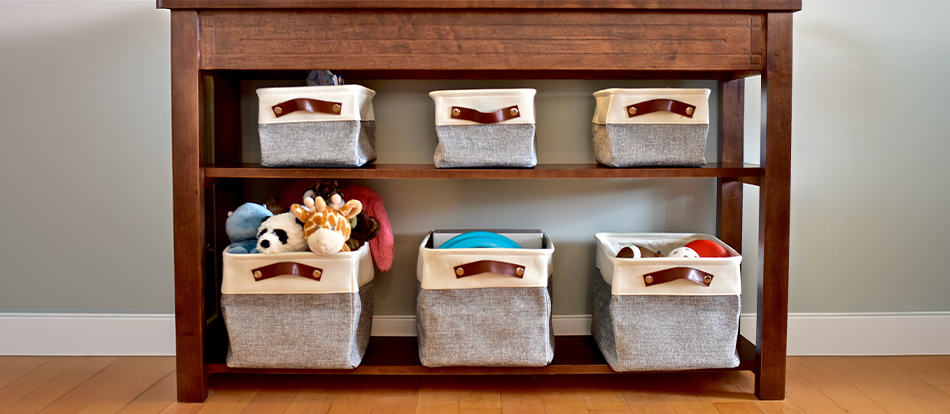
1. Create a Prepared Environment That Encourages Independence
One of the most powerful Montessori strategies is designing an environment where toddlers can succeed without constant adult intervention.
At home, this might look like:
- Low shelves with limited, organized choices
- Child-sized furniture
- Accessible snacks and water
- Simple, clearly defined spaces for play and rest
When children can independently meet their needs, frustration decreases—and self-discipline naturally increases.
Why it works:
Independence builds confidence. Confident children are more willing to follow structure and expectations.
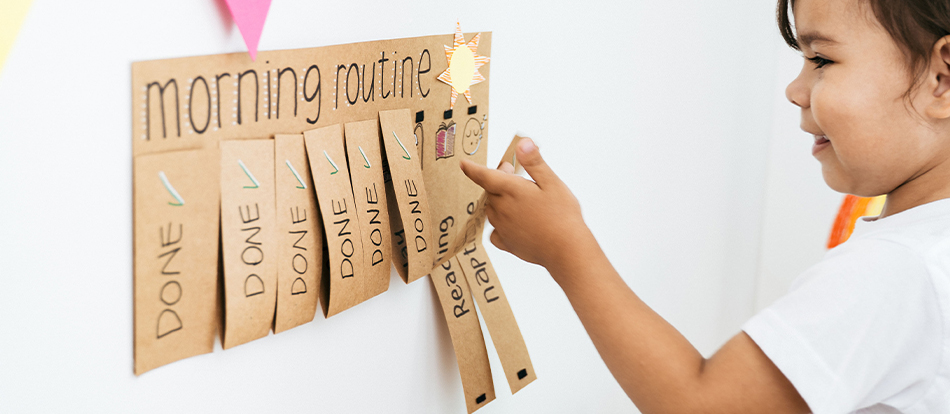
2. Use Consistent, Predictable Routines
Toddlers thrive on routine. Predictability helps them feel secure and understand expectations.
Examples:
- Same sequence for morning routines (wake up → get dressed → breakfast)
- Consistent bedtime rituals
- Clear transitions between activities
Pro tip: Narrate the routine calmly:
“After we clean up, we’re going to wash hands for lunch.”
Why it works:
When children know what comes next, they are less likely to resist and more likely to cooperate.

3. Offer Limited, Meaningful Choices
Giving toddlers choices supports autonomy while maintaining boundaries.
Instead of:
“Get dressed now.”
Try:
“Would you like the blue shirt or the red shirt?”
Guidelines:
- Offer 2–3 choices max
- Ensure all options are acceptable to you
- Avoid overwhelming them
Why it works:
Children feel a sense of control, reducing power struggles while still learning to follow expectations.
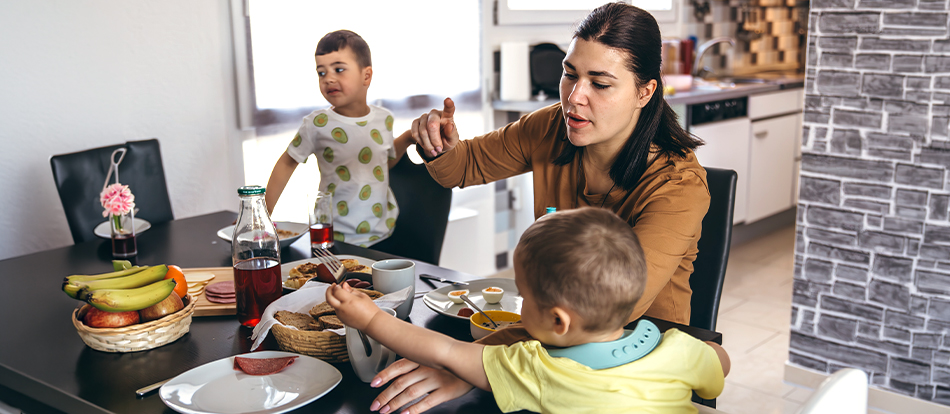
4. Set Clear, Calm Boundaries
Montessori discipline is firm but respectful.
Example:
- “I won’t let you hit. Hitting hurts.”
- “Food stays on the table.”
Avoid long explanations or emotional reactions. Keep it simple and consistent.
Why it works:
Toddlers need clarity. Calm repetition helps them internalize limits over time.
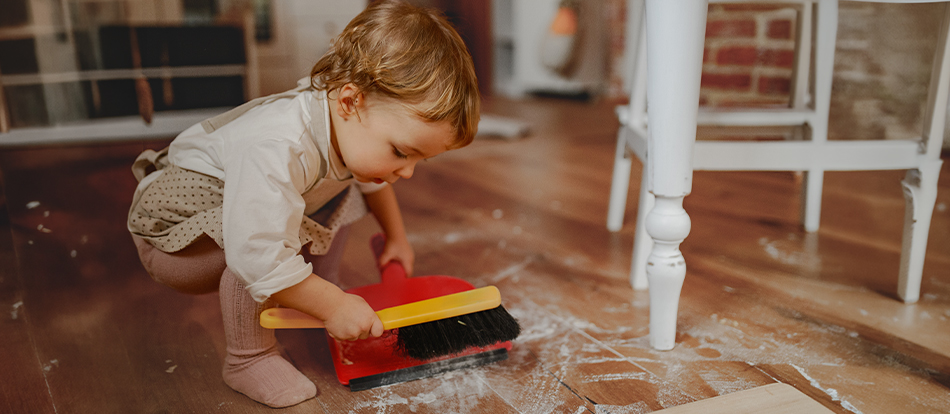
5. Focus on Natural and Logical Consequences
Instead of punishments, Montessori emphasizes consequences that are directly related to the behavior.
Examples:
- If a child throws a toy, the toy is put away
- If water is spilled, the child helps clean it up
Why it works:
Children learn cause and effect in a meaningful, respectful way.

6. Teach Emotional Regulation Through Co-Regulation
Toddlers are not capable of managing big emotions alone. They need adult support.
What to do during a meltdown:
- Stay calm and grounded
- Acknowledge feelings: “You’re upset because you wanted more time.”
- Offer presence, not punishment
Over time, children begin to mirror this calm regulation.
Why it works:
Self-discipline starts with emotional awareness. Children must first feel understood before they can learn control.
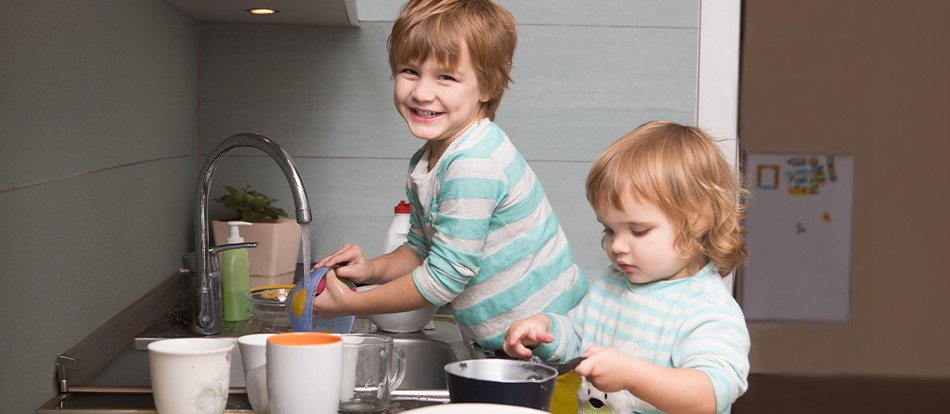
7. Encourage Responsibility Through Real-Life Tasks
Montessori emphasizes practical life activities as a foundation for discipline.
Examples:
- Cleaning up toys
- Helping set the table
- Watering plants
- Putting away shoes
These tasks build focus, coordination, and a sense of contribution.
Why it works:
Responsibility fosters intrinsic motivation—children take pride in doing things themselves.

8. Model the Behavior You Want to See
Toddlers learn far more from what we do than what we say.
Ask yourself:
- Am I calm when setting boundaries?
- Do I follow through consistently?
- Am I respectful in my tone?
Why it works:
Children absorb behavior patterns directly from their environment—especially from caregivers.
Common Toddler Challenges (and Montessori Responses)
Tantrums
→ Stay calm, acknowledge feelings, hold boundaries
Refusing to listen
→ Offer choices and ensure expectations are clear and consistent
Throwing or hitting
→ Intervene immediately, restate boundary, redirect appropriately
Difficulty with transitions
→ Use warnings, routines, and visual or verbal cues
Final Thoughts: Discipline as a Long-Term Investment
Building self-discipline in toddlers is not about immediate compliance—it’s about developing lifelong skills:
- Focus
- Emotional resilience
- Independence
- Respect for others and the environment
At International Montessori, we view every challenge as an opportunity to guide children toward becoming capable, confident individuals.
If you’re implementing these strategies at home, consistency is key. Progress may feel gradual, but over time, you’ll notice something powerful: your child beginning to guide themselves.
Looking for Support?
If you’re interested in a learning environment that nurtures independence, emotional development, and self-discipline from the earliest years, International Montessori offers thoughtfully prepared classrooms and experienced guides dedicated to your child’s growth.
Contact us to learn more about our toddler and primary programs.