
At International Montessori, we believe the early years (ages 0-6) are the most critical for building a strong foundation in independence, concentration, and a love of learning. Montessori-inspired toys—made from natural materials, simple in design, and open-ended—support sensorimotor development, fine and gross motor skills, problem-solving, and practical life skills without overstimulation.
These toys encourage children to explore at their own pace, fostering confidence and creativity. Whether you’re a parent seeking the best Montessori toys for babies, toddlers, or preschoolers, this curated list of the top 10 will guide you. Each recommendation is age-appropriate, developmentally aligned with Montessori principles, and easy to find or recreate at home.
Why Montessori-Inspired Toys Matter for Ages 0-6
Montessori education emphasizes a “prepared environment” where children learn through hands-on play with real, purposeful materials. Unlike battery-operated toys, these promote focus, coordination, and self-correction. Research-backed benefits include improved hand-eye coordination, spatial awareness, and emotional regulation—key for early childhood development.
Parents searching for “best Montessori toys for babies 0-12 months” or “Montessori toys for toddlers 1-3 years” often discover that quality over quantity leads to deeper engagement. Let’s dive into our top 10 picks, grouped by primary age range for easy shopping.
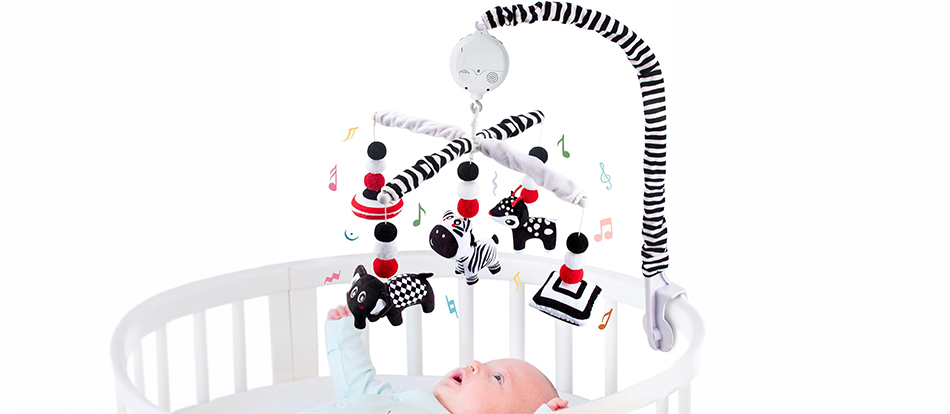
1. Montessori Baby Mobile (Ages 0-3 Months)
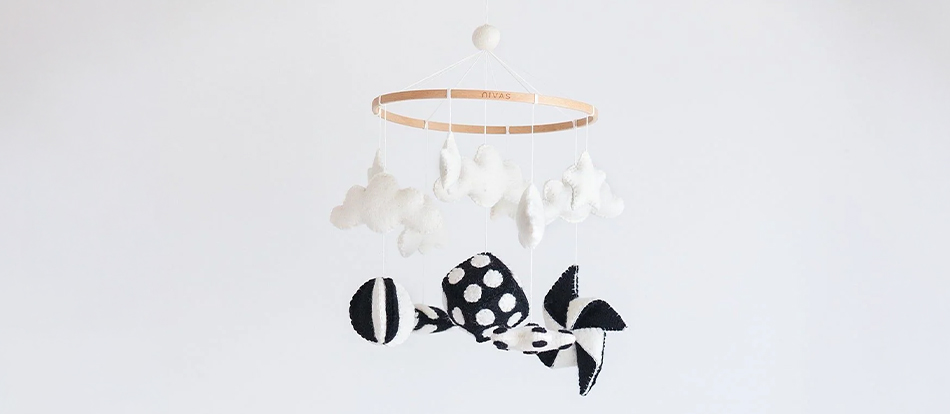
High-contrast black-and-white mobiles are a Montessori classroom staple for newborns. Hung above a crib or play mat, they captivate a baby’s developing vision with gentle movement.
Why it supports development: Stimulates visual tracking, focus, and early brain connections. Babies naturally follow the patterns, building attention span.
How to use: Rotate weekly for new interest; pair with tummy time.
Pro tip: Choose handmade or wooden versions for durability.
2. Wooden Rattle or Grasping Toys (Ages 3-9 Months)
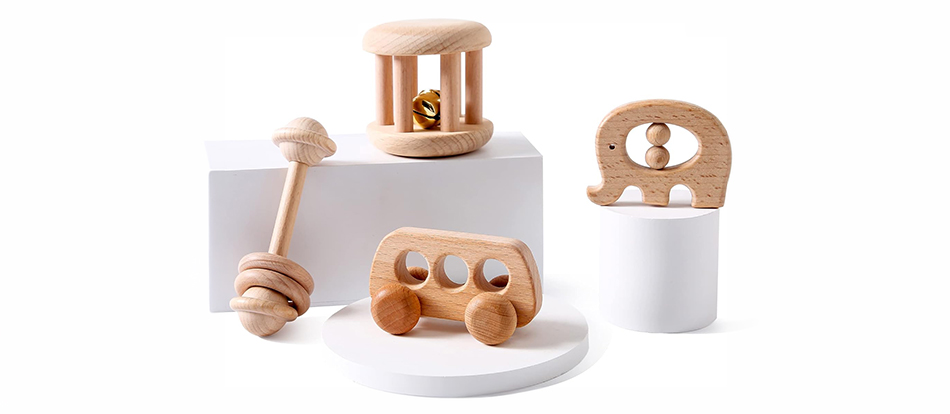
Simple wooden rattles or interlocking rings encourage natural grasping and cause-and-effect discovery.
Why it supports development: Strengthens fine motor skills, hand-eye coordination, and auditory awareness. The weight of real wood provides sensory feedback plastic toys can’t match.
How to use: Shake gently for sound tracking or let baby explore textures during floor play.
Pro tip: Look for organic, non-toxic finishes—perfect for teething.
3. High-Contrast Sensory Ball (Ages 4-12 Months)
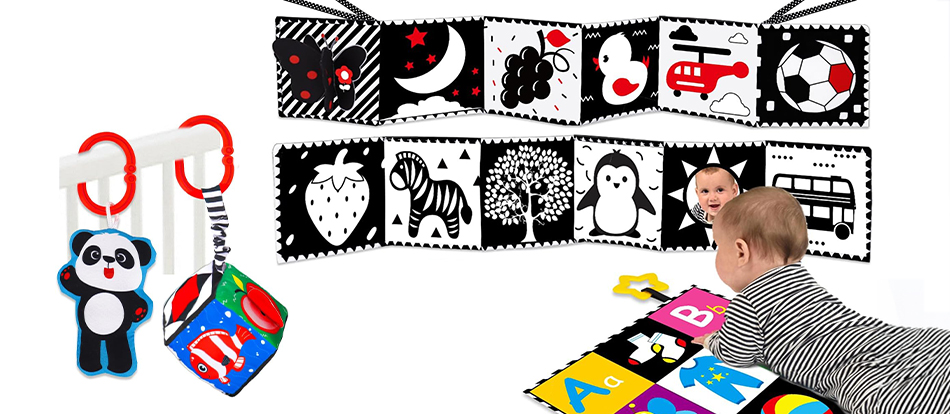
A soft, textured ball with bold patterns supports rolling, grasping, and early crawling.
Why it supports development: Enhances tactile exploration, bilateral coordination, and gross motor skills. It introduces object permanence concepts playfully.
How to use: Roll it across the floor during tummy time or hide-and-seek games.
Pro tip: Pairs beautifully with a Montessori play gym for full-body engagement.
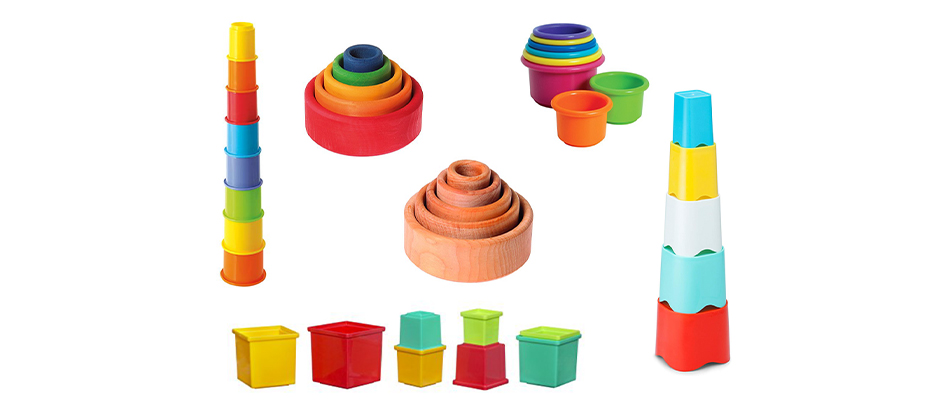
4. Nesting and Stacking Cups (Ages 6-24 Months)
Wooden or silicone nesting cups teach size relationships through stacking and nesting.
Why it supports development: Builds problem-solving, sequencing, and fine motor precision. Toddlers love the “aha!” moment of perfect fits.
How to use: Start with simple stacking, then add pouring water or beans for practical life extension.
Pro tip: Choose natural wood for a timeless, screen-free Montessori experience.
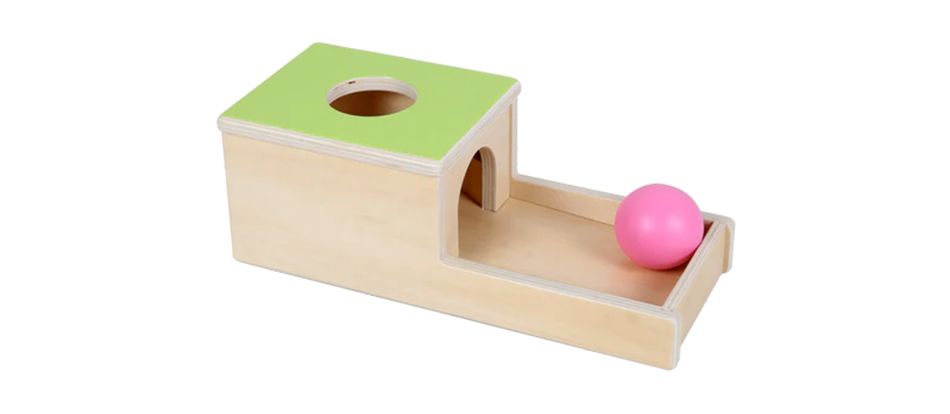
5. Object Permanence Box (Ages 8-18 Months)
This wooden box with a hole and tray lets babies drop a ball and watch it reappear.
Why it supports development: Teaches object permanence (a key cognitive milestone) while refining hand-eye coordination and grasp-release skills.
How to use: Introduce one ball at a time; it becomes a favorite “work” activity.
Pro tip: A budget-friendly alternative to expensive Montessori materials.
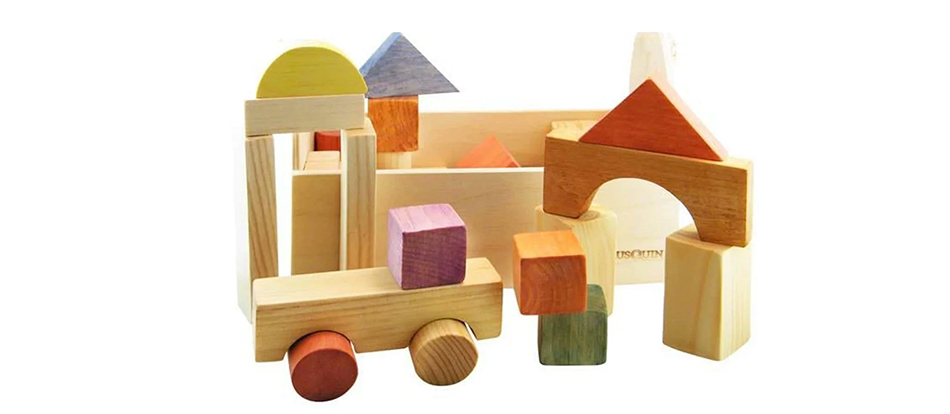
6. Wooden Building Blocks (Ages 12-36 Months)
Unpainted wooden blocks in various shapes invite open-ended construction.
Why it supports development: Develops spatial reasoning, creativity, and early engineering concepts. No instructions needed—pure imagination at work.
How to use: Begin with simple towers; older toddlers build complex structures.
Pro tip: Store in a low, accessible shelf for child-led play.
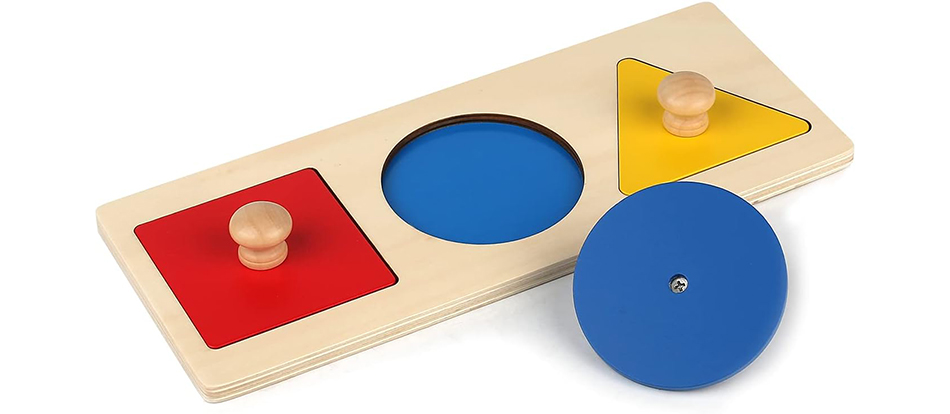
7. Knobbed Puzzles (Ages 18-36 Months)
Simple wooden puzzles with chunky knobs (e.g., geometric shapes or animals).
Why it supports development: Refines pincer grasp (pre-writing skill), visual discrimination, and concentration. Self-correcting design builds confidence.
How to use: Start with 3-4 piece puzzles; progress to more complex ones.
Pro tip: Montessori knob puzzles prepare the hand for pencil control.
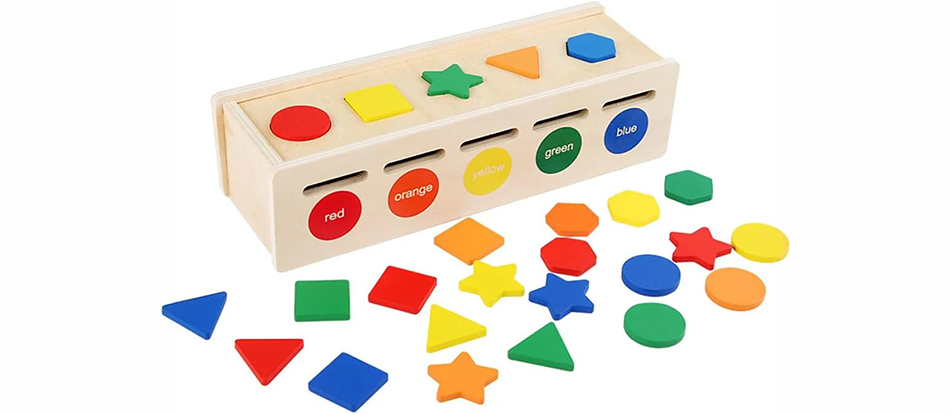
8. Shape Sorter or Posting Box (Ages 12-36 Months)
Wooden boxes with slots for sorting shapes or posting cylinders.
Why it supports development: Enhances color and shape recognition, hand-eye coordination, and logical thinking.
How to use: Name shapes aloud to build vocabulary during play.
Pro tip: Versatile for matching games as skills advance.
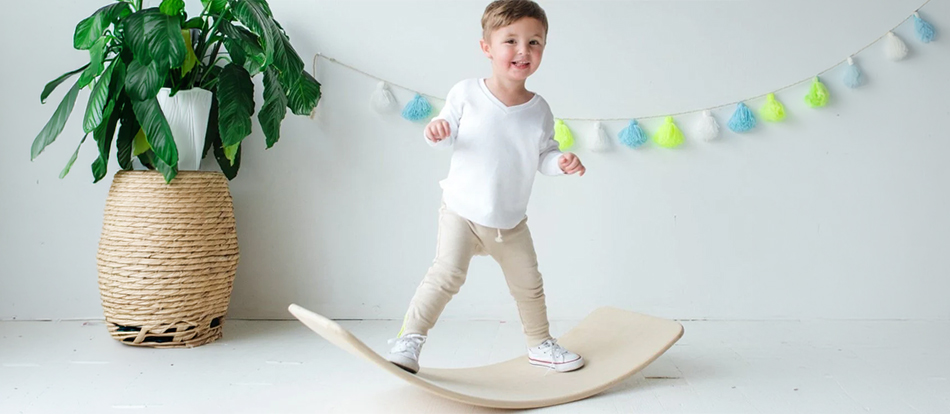
9. Balance Board or Wobble Board (Ages 18 Months-6 Years)
A curved wooden board for rocking, balancing, and imaginative play.
Why it supports development: Strengthens core muscles, balance, and body awareness—essential gross motor skills for confidence in movement.
How to use: As a seesaw, bridge, or stepping stone; it grows with your child.
Pro tip: A Montessori favorite for active toddlers and preschoolers.
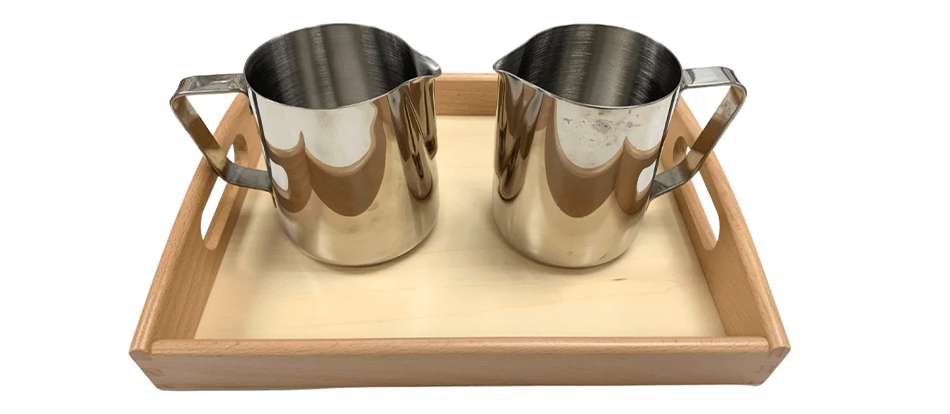
10. Practical Life Pouring and Scooping Sets (Ages 2-6 Years)
Wooden or metal pitchers, scoops, and trays for transferring water, beans, or rice.
Why it supports development: Fosters independence, concentration, and real-life skills like pouring without spilling. Builds focus and self-care habits.
How to use: Set up a low table tray for “work”; add sponges for cleanup practice.
Pro tip: Start dry (beans), then introduce liquids—classic Montessori practical life.
Tips for Choosing and Using Montessori-Inspired Toys
- Prioritize natural materials: Wood, cotton, and metal over plastic for better sensory input and durability.
- Rotate toys: Keep 6-8 accessible on low shelves to avoid overwhelm and encourage mastery.
- Follow the child: Observe interests rather than forcing activities.
- Budget-friendly options: Many can be DIY or sourced affordably; quality matters more than quantity.
- Safety first: Ensure no small parts for under-3s and supervise as needed.
These toys align perfectly with International Montessori’s child-centered approach, preparing young minds for lifelong success.
Ready to Nurture Your Child’s Potential?
At International Montessori, we don’t just recommend toys—we create environments where children thrive. Whether you’re in Austin or beyond, explore our programs, parent workshops, or guided play sessions designed for ages 0-6. Visit our site to learn more about enrolling or discovering our full range of Montessori materials.
For more on early childhood development, check our blog for “Montessori activities at home” and “practical life skills for toddlers.”