
When parents begin exploring preschool options, they often hear the term Montessori, but many don’t know the incredible story behind the woman who transformed education around the world. More than a century after developing her revolutionary approach, Dr. Maria Montessori’s educational philosophy continues to shape classrooms across the globe—including here at International Montessori.
Her belief that children learn best through independence, exploration, and respect remains just as relevant today as it was when she first introduced her methods in the early 1900s.
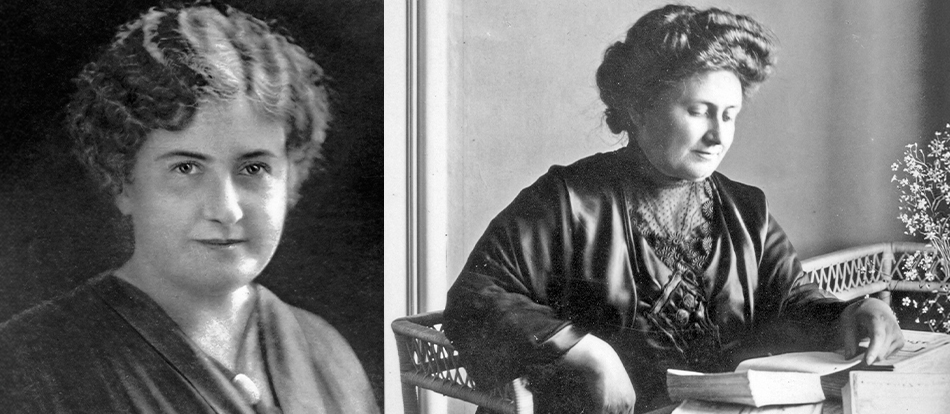
Who Was Maria Montessori?
Dr. Maria Montessori was born in Italy in 1870 and became one of the country’s first female physicians. While working with children from diverse backgrounds, she observed something remarkable: when children were given the right environment, meaningful work, and the freedom to learn at their own pace, they became deeply engaged, focused, and confident.
Rather than viewing children as empty vessels waiting to be taught, Montessori recognized that they are naturally curious, capable learners who thrive when trusted with responsibility and choice.
These observations became the foundation of what we now know as the Montessori Method.
The Core Principles of Montessori Education
At International Montessori, our classrooms are built upon the same principles that Dr. Montessori developed over 100 years ago.
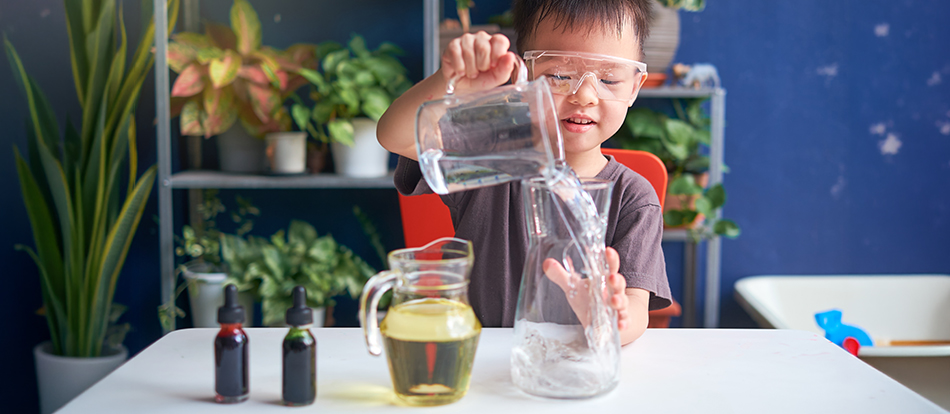
1. Children Learn Best Through Hands-On Experiences
Instead of relying on worksheets or rote memorization, Montessori students use carefully designed materials that allow them to discover concepts through exploration.
Whether they’re learning math, language, science, or geography, children actively engage with their environment rather than simply receiving information.
This hands-on approach helps children develop a deeper understanding and stronger retention of concepts.
2. Independence Builds Confidence
One of Maria Montessori’s most enduring beliefs was:
“Never help a child with a task at which he feels he can succeed.”
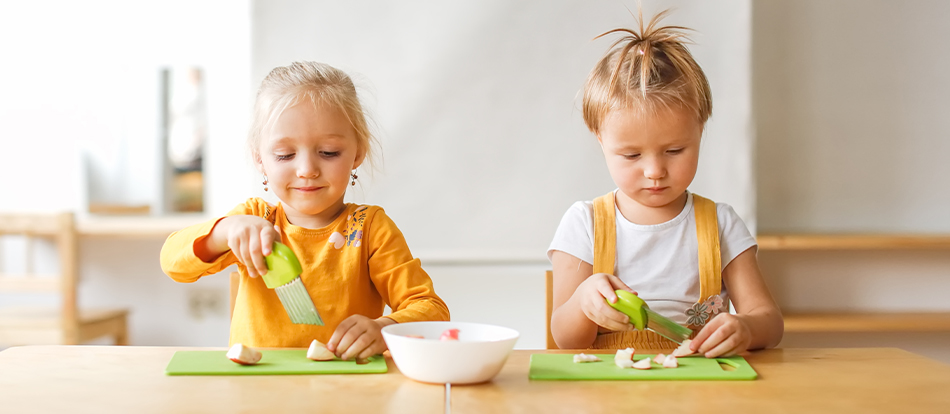
Children are encouraged to dress themselves, prepare snacks, care for their classroom, choose meaningful work, and solve problems independently.
These everyday experiences foster:
- Confidence
- Responsibility
- Self-discipline
- Decision-making skills
- Resilience
These life skills extend far beyond the classroom.
3. Respect for Every Child
Montessori believed every child develops at their own unique pace.
Instead of comparing children to one another, teachers observe each child’s interests, readiness, and developmental needs before introducing new lessons.
This individualized approach helps children feel successful while reducing unnecessary pressure.
4. Mixed-Age Classrooms Foster Leadership
One hallmark of Montessori education is the mixed-age classroom.
Older children naturally become mentors and role models, while younger children learn by observing their peers.
This creates a collaborative community where leadership, empathy, and cooperation develop naturally.
How Maria Montessori’s Philosophy Shapes Modern Education
Many educational practices that are widely praised today originated with Dr. Montessori decades ago.
These include:
- Child-centered learning
- Social-emotional development
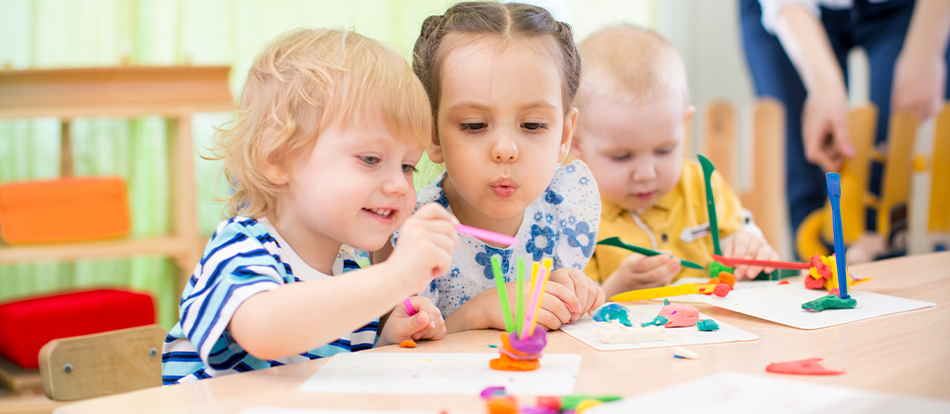
- Learning through play and exploration
- Individualized instruction
- Hands-on learning
- Executive functioning skills
- Intrinsic motivation instead of external rewards
Research continues to support many of the principles Montessori championed long before they became mainstream educational practices.
Why Montessori Education Is More Relevant Than Ever
Today’s children are growing up in a fast-paced world filled with constant technology, distractions, and structured schedules.
Montessori classrooms provide something increasingly valuable:
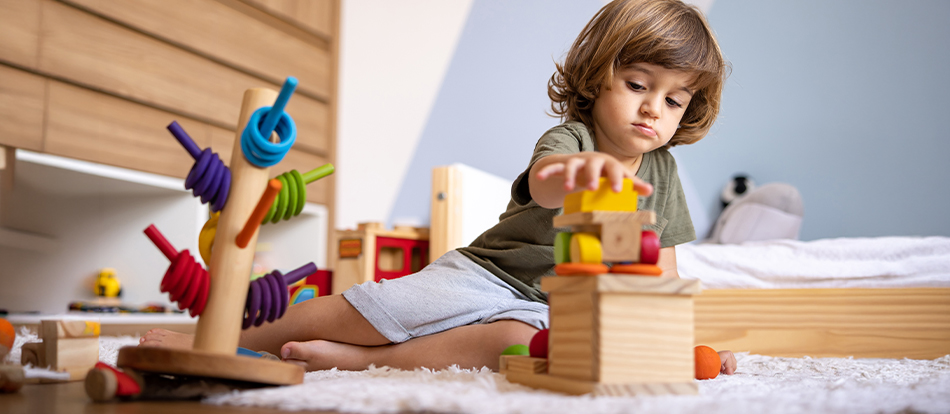
- Time to concentrate deeply
- Opportunities for independent thinking
- Real-world problem solving
- Practical life experiences
- Respectful social interactions
- Joyful discovery
These experiences help children develop the confidence and adaptability they’ll need throughout their lives.
The Montessori Difference at International Montessori
At International Montessori, we are proud to carry forward Maria Montessori’s vision by creating thoughtfully prepared environments where children develop academically, socially, emotionally, and independently.
Our experienced Montessori guides carefully observe each child, introducing lessons at the right moment while encouraging curiosity, creativity, and a lifelong love of learning.
Whether children are exploring Practical Life activities, discovering mathematics with Montessori materials, developing language skills, or engaging in our Spanish Immersion program, they are building the foundation for future success in school and beyond.
Our goal is not simply to prepare children for kindergarten—we prepare them for life.
Why Parents Choose Montessori
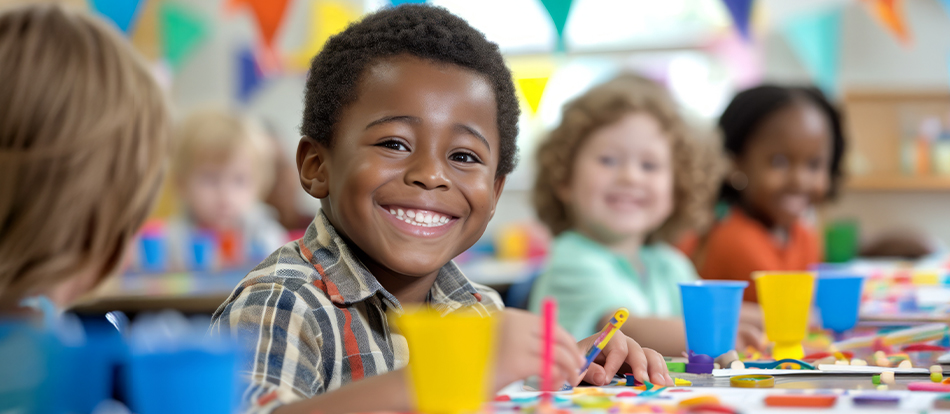
Families often notice that Montessori students develop qualities that last well beyond their preschool years, including:
- Independence
- Self-confidence
- Curiosity
- Problem-solving abilities
- Respect for others
- Strong concentration
- A lifelong love of learning
These characteristics reflect the enduring legacy of Dr. Maria Montessori and continue to inspire educators around the world.
Discover International Montessori
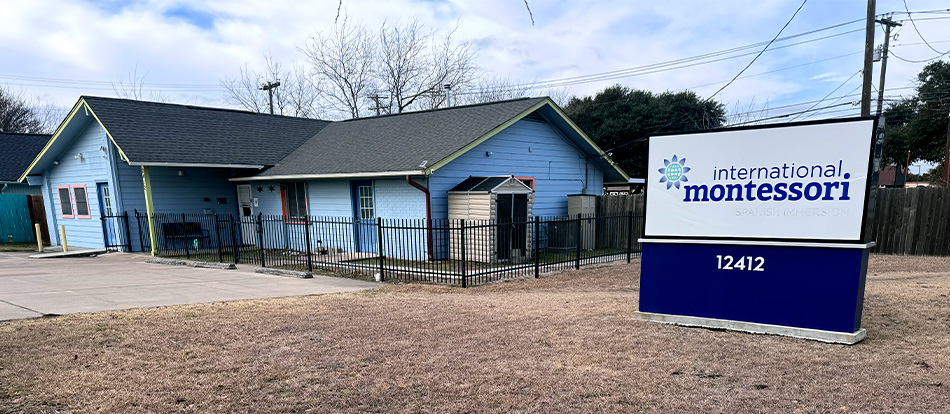
Choosing the right preschool is one of the most important decisions you’ll make for your child. At International Montessori, we are honored to continue Dr. Maria Montessori’s vision by nurturing confident, compassionate, and capable learners in a warm, engaging environment.
If you’re interested in learning more about our Montessori programs or scheduling a tour, we’d love to welcome your family and show you how the Montessori philosophy comes to life every day.
Frequently Asked Questions
What is the Montessori Method?
The Montessori Method is an educational approach developed by Dr. Maria Montessori that emphasizes hands-on learning, independence, child-led exploration, and respect for each child’s individual pace of development.
Why is Maria Montessori still influential today?
Her research on child development laid the foundation for many modern educational practices, including individualized learning, social-emotional development, and experiential education.
What makes International Montessori different?
International Montessori combines authentic Montessori principles with nurturing educators, thoughtfully prepared classrooms, and opportunities such as Spanish Immersion, creating an environment where children thrive academically, socially, and emotionally.